Forces applied to aerial hoop artists exist in many unique variations: on the entrance into a hoop, maintaining static positions as the hoop rotates, extreme demands of various joint positions in the aerial hoop. Given this information, training guidelines are suggested in areas including: strength, stability, mobility, and technique (Dongaz et al., 2024).

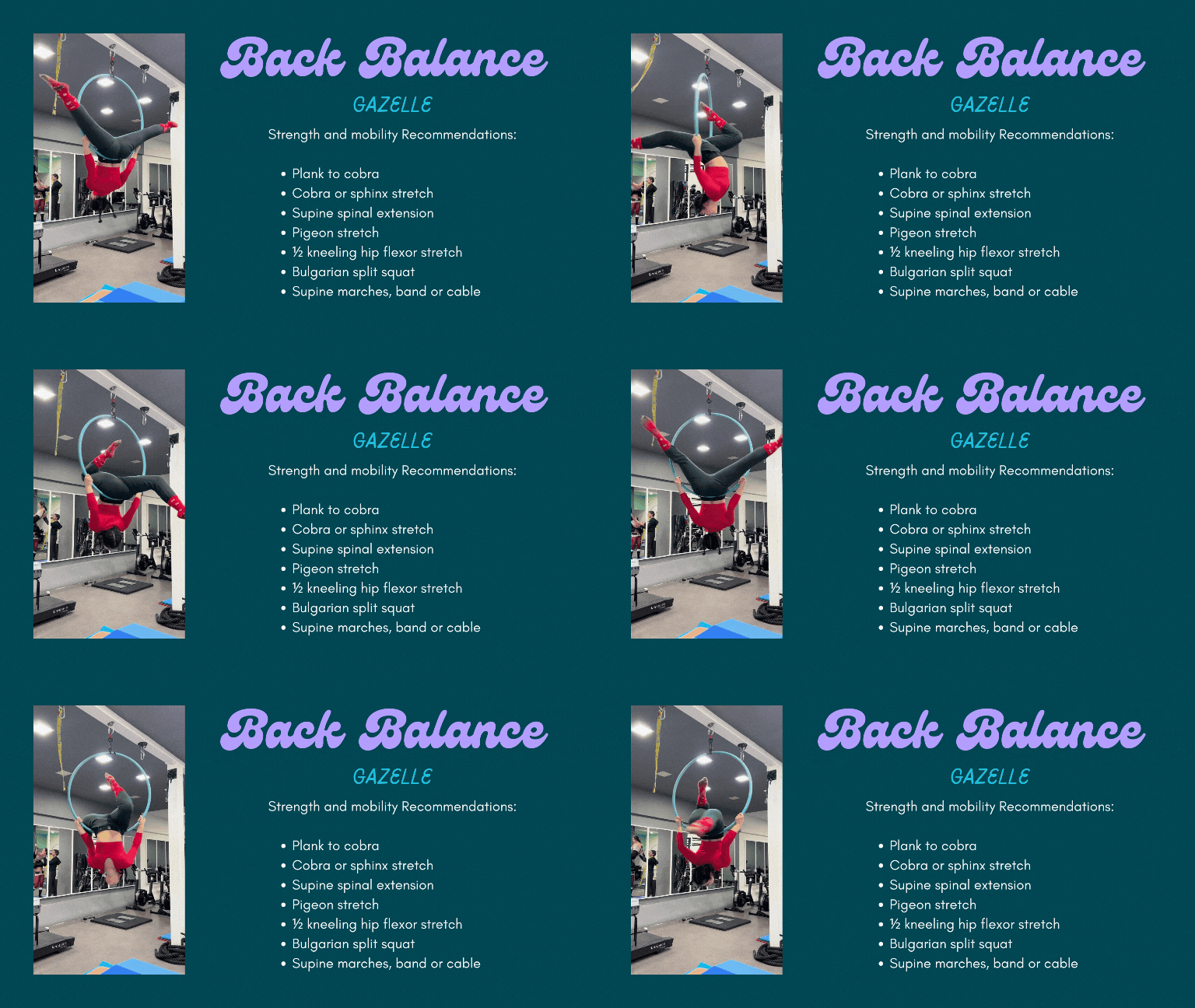
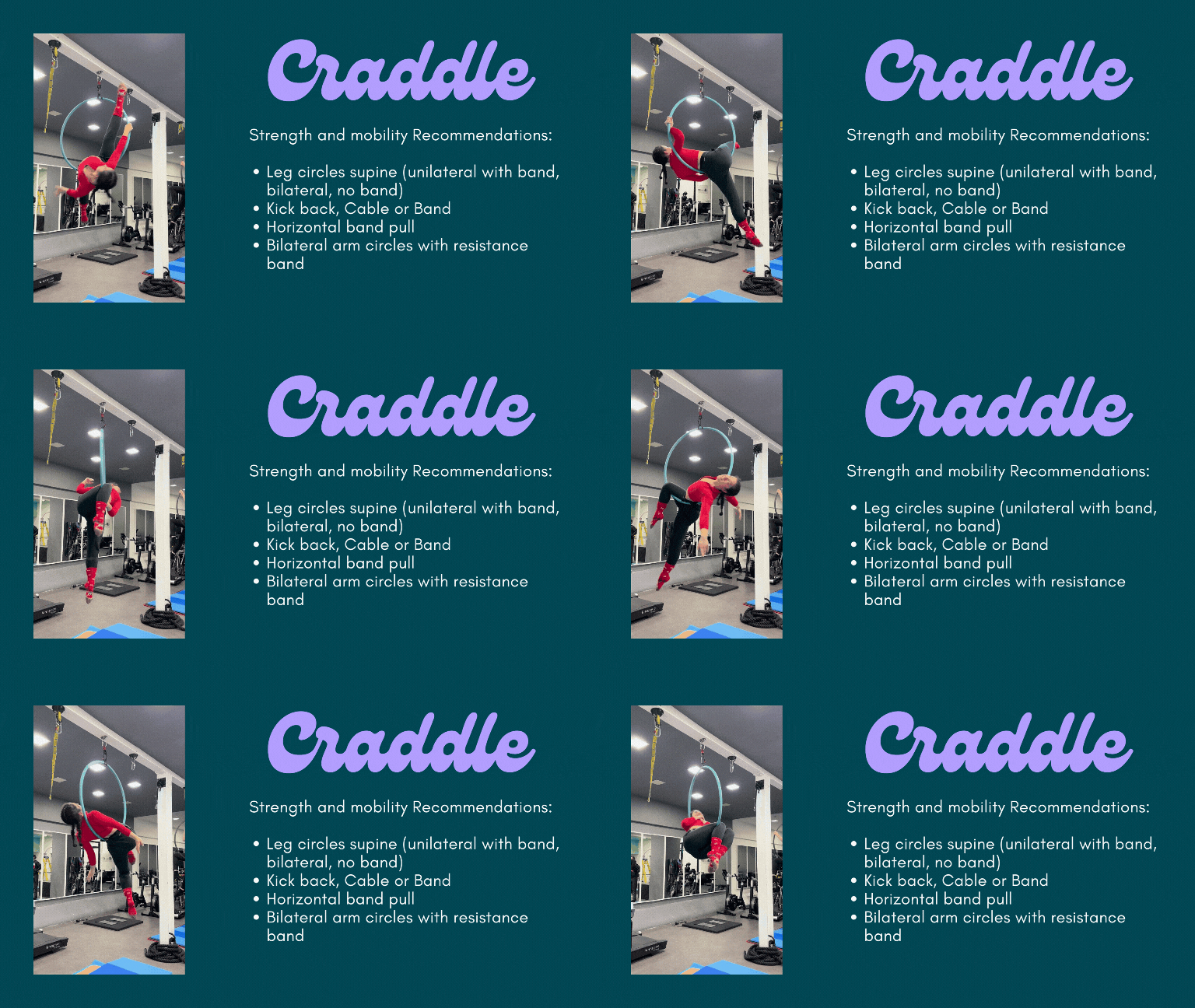
Detailed movement analysis and exercise recommendations of this beginner hoop combo below:
Straddle Entrance
| Joint movement | Muscles used | Exercises recommended |
| Elbow flexion and extension | triceps, pecs | – Inverted row, eccentric focus |
| Shoulder adduction, and flexion | Pectoralis major, Lat Dorsi | |
| Hip flexion, abduction, | Hip flexors, Low abdominals Hip Adductors | – Seated knee extension (band) – Straddle stretch seated, Resist ground 3 sec x 4 (PNF) |
| Knee extension | Quadriceps | |
| Spinal flexion and extension | Erector spinae, Rectus abdominis, | – Plank to cobra |
| Hands: full flexion (grasp) | Hand and wrist flexors | – Hanging + scapula pull ups |
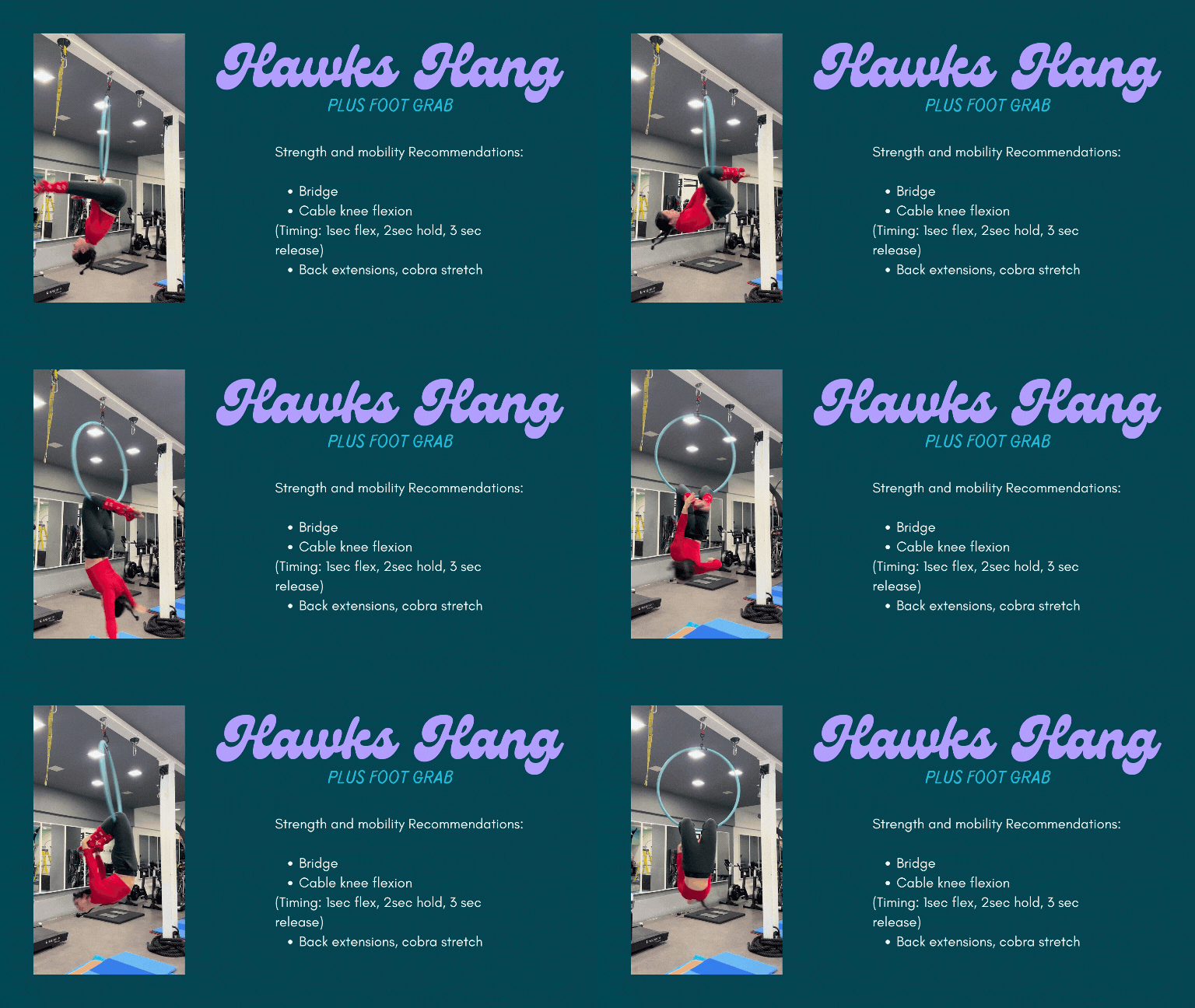
Hawks Hang
| Joint Movement | Muscles Used | Recommended Exercises |
| Knee Flexion | Hamstrings | – Bridge – Cable or banded knee flexion (Timing: 1sec flex, 2sec hold, 3 sec release) |
| Spinal Extension (passive) | Erector spinae, rectus abdominis | – Cobra stretch – Back extension |
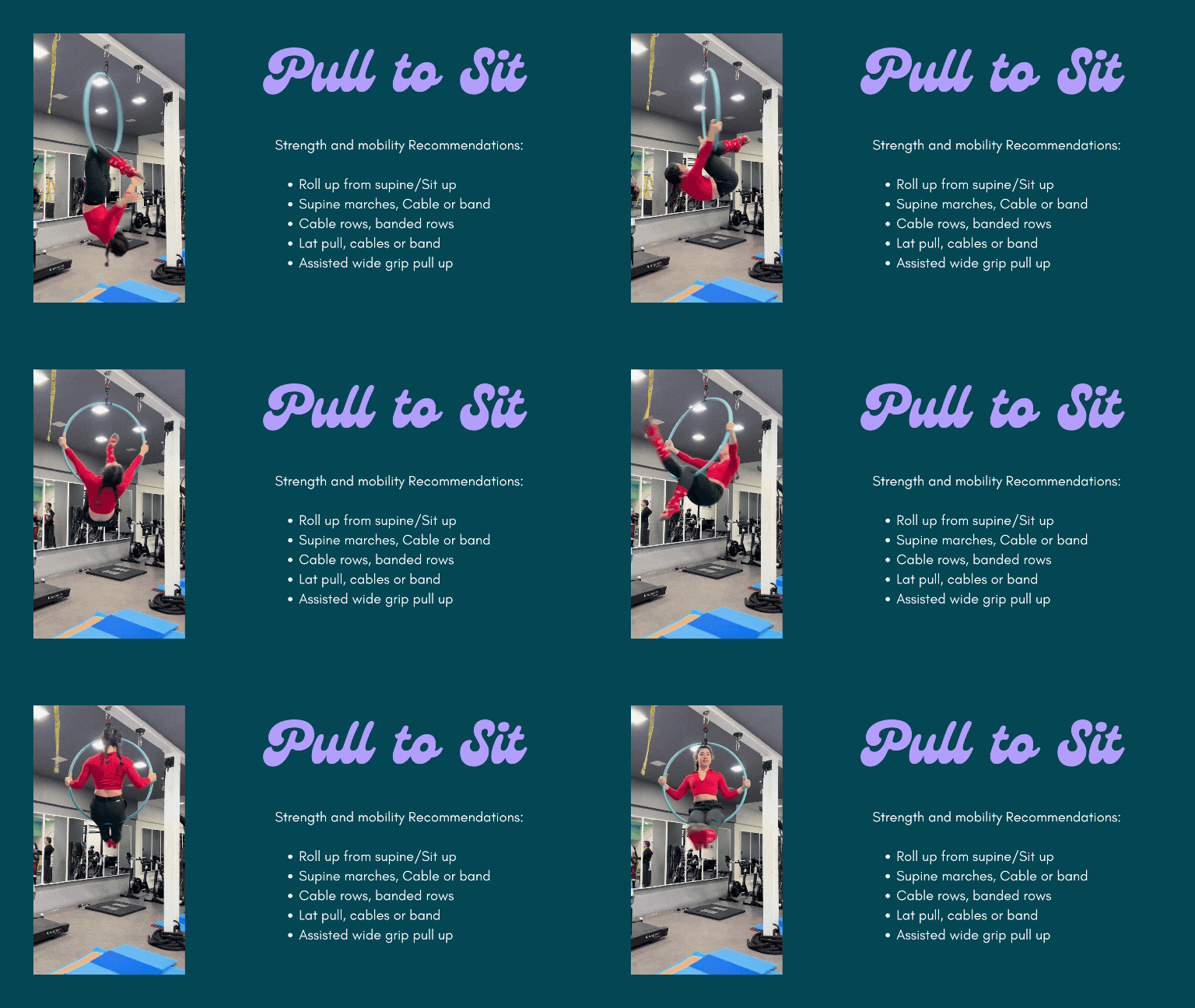
Pull to Seat
| Joint Movement | Muscles Used | Recommended Exercises |
| Knee Flexion | Hamstrings | – Bridge – Cable or banded knee flexion (Timing: 1sec flex, 2sec hold, 3 sec release) |
| Spinal Extension (passive) | Erector spinae, rectus abdominis | – Cobra stretch |
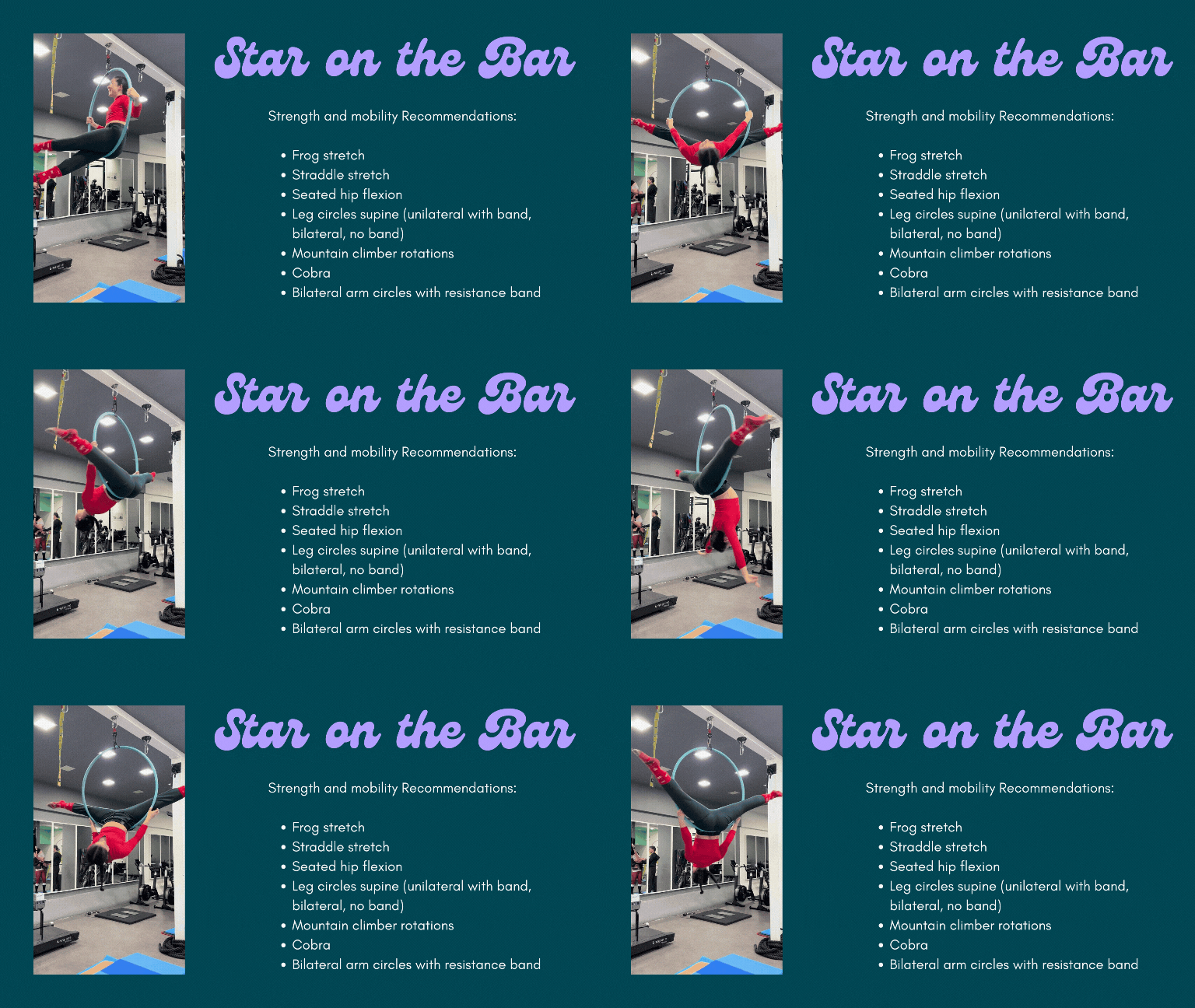
Star on the Bar
| Joint Movement | Muscles used | Recommended Exercises |
| Hip adduction, abduction, flexion | Hip adductors, abductors | – Frog stretch – Straddle stretch – Leg circles supine (unilateral with band, bilateral, no band) |
| Spinal rotation and extension | Obliques Rectus abdominis, Erector spinalis | – Mountain climber rotations – Cobra |
| Shoulder joint stability stability in extension | Rotator cuff Serratus Anterior, Pectoralis Major | – Bilateral arm circles with resistance band |
Back Balance
| Joint Movement | Muscles Used | Recommended |
| Spinal extension | Erector spinae, rectus abdominis | – Plank to cobra – Cobra or sphinx stretch – Supine spinal extension |
| Back Hip: extension, knee extension and flexion | Gluteus maximus, hamstrings, hip flexors, | – Pigeon stretch – ½ kneeling hip flexor stretch – Bulgarian split squat |
| Front hip flexion, static knee flexion sagittal plane | Hip flexors, transverse abs, hamstring | – Supine marches, band or cable |
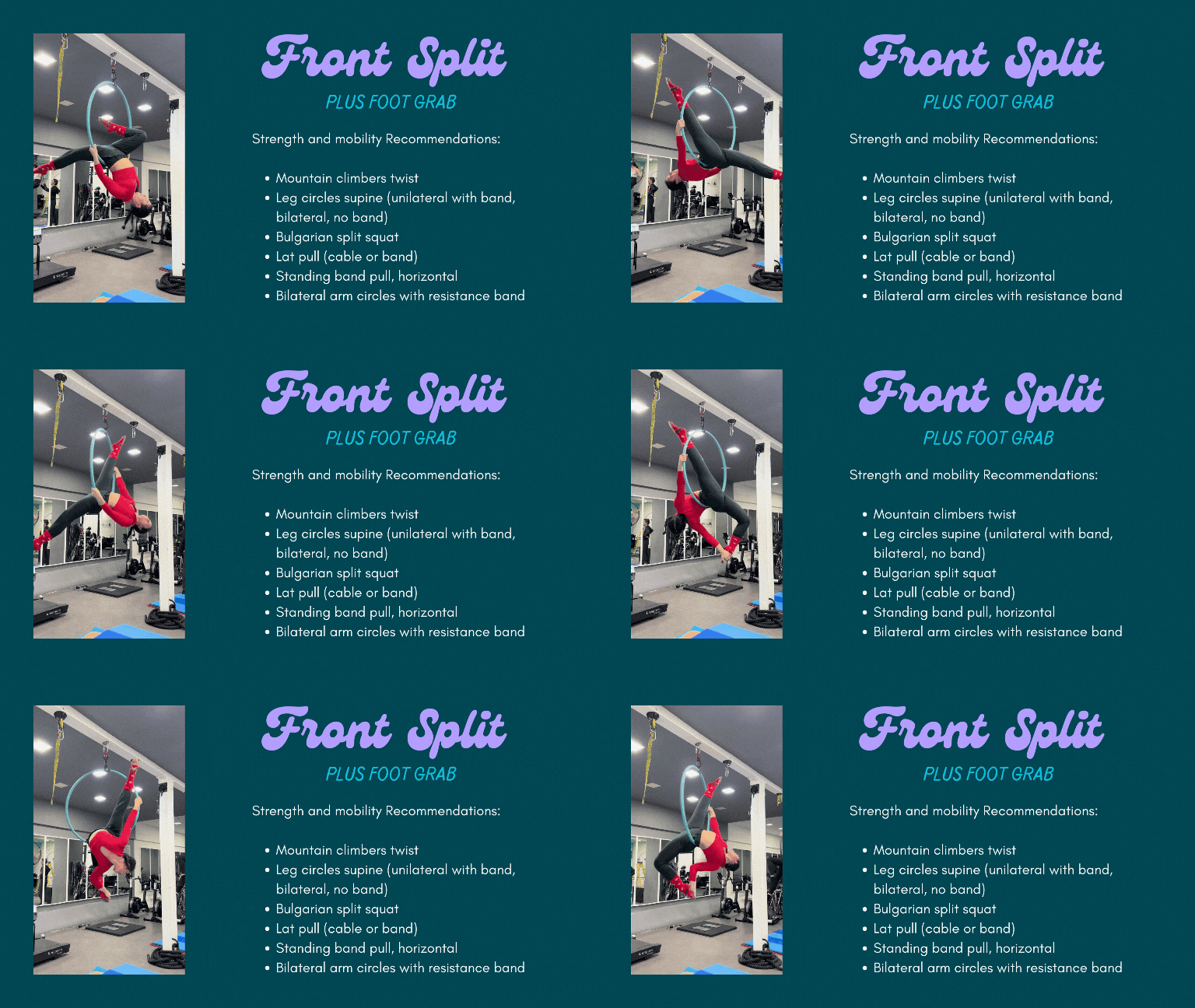
Split + Foot grab
| Joint Movement | Muscles Used | Recommended Exercises |
| Top leg: Hip abduction and inward rotation, Knee flexion | Rectus abdominals, Erector spinales, oblique | – Crunch in side split |
| Top leg: Knee extension, hip flexion, Isometric hip extension (resistance for stability) | Quadriceps, HIp flexors, Hamstrings | – leg circles supine (unilateral with band, bilateral, no band) |
| Bottom leg: hip extension, knee flexion, | Gluteus maximus, hamstrings, | – Bulgarian split squat |
| Supporting arm: ¼ pull up Elbow flexion and extension | triceps, pecs | – Overhead pull, cable or band |
| Both arms: Shoulder extension | Post. deltoid, rhomboids, pecs | – Standing band pull, horizontal – Bilateral arm circles with resistance band |
Swing to Half Cradle
| Joint Movement | Muscles Used | Recommended Exercises |
| Top leg: Hip abduction and inward rotation, Knee flexion | Hip Adductors, abductors, | – Leg circles supine (unilateral with band, bilateral, no band) |
| Bottom Leg: Knee extension, hip extension | Quadriceps, gluteus maximus, hamstring | – Kick back, Cable or Band |
| Shoulder Extension | Posterior deltoid, rhomboids, pectoralis major | – Horizontal band pull – Bilateral arm circles with resistance band |
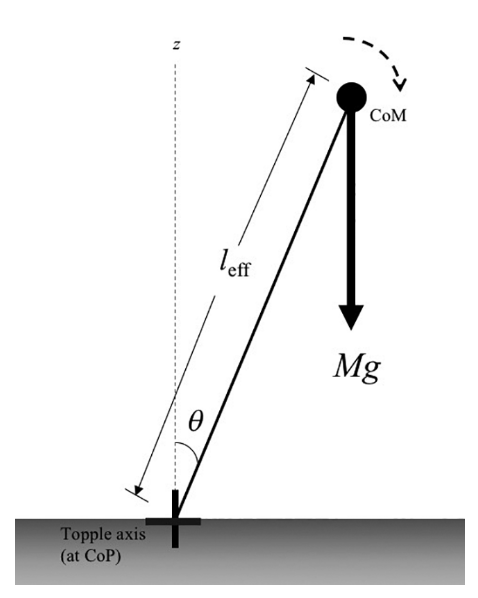
Invented Pendulum Model
Lott (2019) inquires into the various aspects of the inverted pendulum model in a ballet pirouette. This model shows the various forces acting on a dancer as they attempt to maintain a consistent axis of rotation. An increase in torque or movement away from the centre of pressure increase acceleration away from balance and effort needed to stay balanced (Lott, 2019). In an aerial hoop, movement on the horizontal plane encourages load away from the axis of rotation, equivalent to the centre of pressure. As aerialists work to adjust their position, they need to negotiate the change in MOI, or load away from the centre with various movements.
Performer Feedback
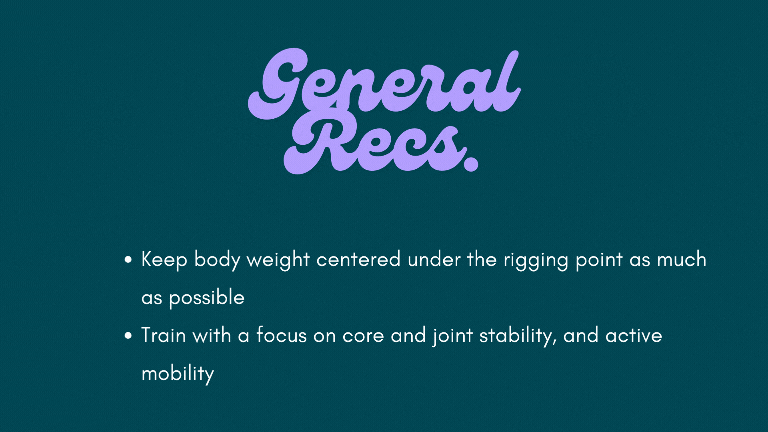
- Keep body weight centered under the rigging point as much as possible
- Train with a focus on core and joint stability
In the ideal routine an aerialist appears to be floating, unwavering in the air as if flying (Banks, 2015). Unfortunately, we cannot actually defy gravity, it’s actually a very relevant principle to be aware of. Similar to a pirouette, in aerial arts there is a fixed point in which an aerialist can find their balance (Lott, 2019). In the case of aerial arts, the closer the COM is to the rigging point (in the vertical plane), the easier it is for the artist to maintain their balance. During the Back Balance, the artist centers their mass directly under the rigging point and minimizes wobbles or perturbations. However, during “Star on the Bar” the artist does not perfectly center their mass under the point which results in the hoop swaying and the artist having to resist wobbles. Along with paying attention to the position of body mass in the hoop, it is important that aeralists train core and joint stability in order to increase their capacity to resist unexpected forces (Dongaz et al., 2024). Finally we can see that the aerialist uses a very large range of motion to manipulate their body within the hoop. Functional mobility training is imperative in order to calmly and gracefully complete challenges that might arise in various hoop positions and combos (Filho et al., 2016, González Macías & Flores, 2024)
 Charlotte Telfer-Wan